Your Shopping Bag Is Empty

 Back To Tory Daily
Cultural differences in gambling Understanding global perspectives and practices
The Role of Tradition in Gambling
Gambling has deep roots in various cultures around the world, often intertwined with tradition and social practices. For instance, in China, games like Pai Gow and Fan-Tan have been played for centuries, often during festivals and celebrations, highlighting the significance of luck in cultural beliefs. This traditional engagement with gambling serves not just as entertainment but also as a means of reinforcing community bonds and celebrating shared heritage. If you’re looking for an exciting platform, bpexch pk offers unique opportunities tailored for sports enthusiasts.
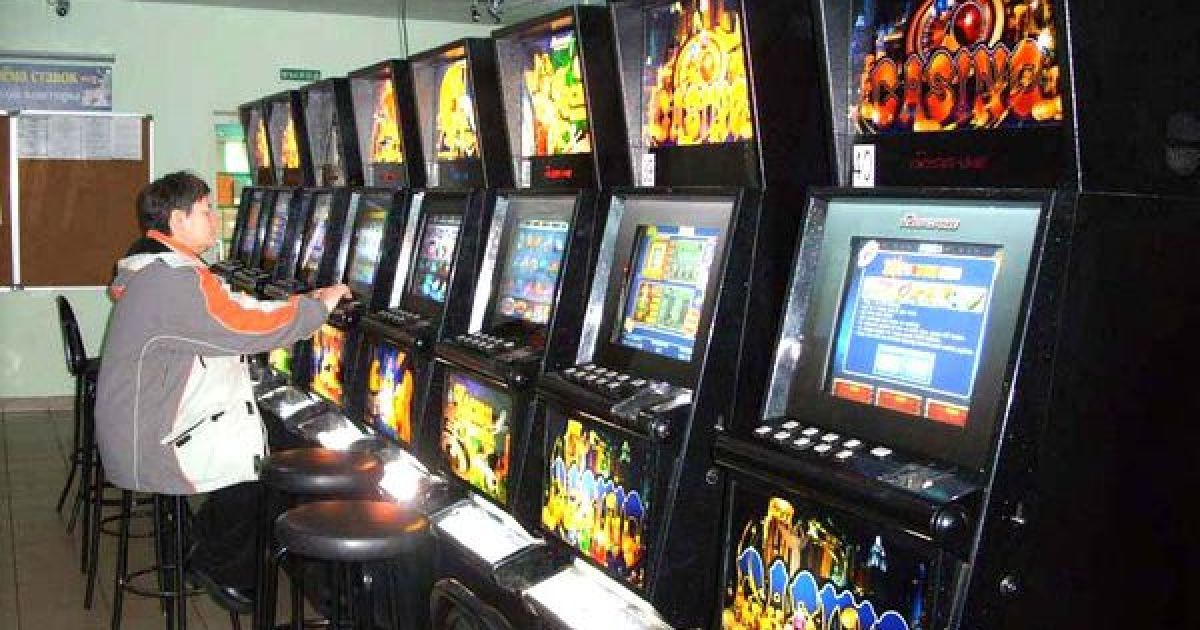
In contrast, Western cultures tend to emphasize individualism in gambling, where personal skill and strategy are often highlighted. The rise of poker in the United States exemplifies this trend, as it transformed from a casual pastime into a competitive sport with its own set of rules and strategies. This shift illustrates how gambling practices can reflect broader societal values, such as the appreciation for competition and self-reliance.
Understanding these cultural contexts is crucial for recognizing how gambling is perceived globally. While some societies view gambling as a harmless form of entertainment, others consider it morally questionable or a vice. These differing perceptions can influence regulations and practices, impacting how people engage with gambling in various regions.
Legal Frameworks and Their Impact
The legal landscape surrounding gambling varies significantly across countries, often shaped by cultural attitudes. In some nations, like the United Kingdom, gambling is heavily regulated, with well-defined laws ensuring player protection and fairness. This regulatory framework has fostered a thriving gambling industry that includes online platforms and betting exchanges, making it accessible and safer for players.
Conversely, countries such as Saudi Arabia have stringent prohibitions against gambling, often considering it illegal due to religious beliefs. In such contexts, the absence of a regulated gambling industry leads to underground activities that lack consumer protection. This discrepancy illustrates how legal frameworks can profoundly affect the gambling culture within a society, shaping not only accessibility but also the safety and legitimacy of gambling practices.
Moreover, emerging markets are starting to adapt their legal frameworks to align with global trends, driven by potential economic benefits. For instance, nations in Africa are beginning to embrace regulated sports betting, recognizing it as a means to generate revenue and create jobs. This shift illustrates a dynamic interplay between cultural attitudes, legal frameworks, and economic opportunities in the gambling sector.
Technology and Gambling Practices
The advent of technology has revolutionized gambling practices, transcending geographical boundaries and cultural limitations. Online casinos and betting exchanges have made it possible for individuals to engage in gambling activities from the comfort of their homes, significantly altering how people perceive and partake in gambling. This digital transformation has led to the emergence of a global gambling culture, where traditional practices coexist with modern trends.
In many cultures, mobile gaming has become particularly popular, especially among younger demographics. In countries like India, mobile sports betting has surged, fueled by increased smartphone penetration and internet accessibility. This shift not only reflects changing preferences but also reveals how technology can democratize access to gambling, allowing a broader audience to participate.
However, this technological boom also raises concerns regarding responsible gambling. In cultures where gambling is already viewed with skepticism, the rapid growth of online betting can exacerbate issues related to addiction and financial strain. As such, there is a growing need for educational initiatives to promote responsible gaming, ensuring that individuals from diverse cultural backgrounds can enjoy gambling without adverse consequences.
Cultural Attitudes Toward Gambling
Cultural attitudes toward gambling can significantly influence individual behavior and societal norms. For example, in Japan, the popularity of Pachinko parlors reflects a unique cultural acceptance of gambling as a form of entertainment, despite the lack of legal recognition of traditional gambling forms. This cultural nuance allows for a vibrant gaming industry while adhering to societal norms that may otherwise be resistant to outright gambling.
In contrast, in many Western countries, gambling is often associated with a more casual, yet competitive, environment. For instance, Las Vegas epitomizes this approach, with its lavish casinos and entertainment options drawing millions of tourists each year. The cultural acceptance of gambling in this context is evident in its portrayal in media and the significant investment in infrastructure to support this entertainment sector.
As globalization continues to influence cultural exchanges, these differing attitudes are beginning to blend. Exposure to various gambling practices and norms can lead to shifts in local perceptions, prompting societies to reevaluate their stance on gambling. This evolving landscape reflects the complexities of cultural identity and the ongoing dialogue surrounding gambling practices worldwide.
BPExch: A Global Perspective on Online Betting
BPExch serves as a prime example of how cultural differences in gambling can be effectively bridged through technology. As Pakistan’s premier online betting exchange, it offers users a platform to engage in peer-to-peer sports betting, particularly focusing on cricket, a sport deeply rooted in South Asian culture. By allowing players to set their own odds, BPExch not only empowers users but also fosters a sense of community among bettors.
The straightforward registration process and various payment options make BPExch accessible to a wide audience, catering to both novice and experienced players. Its focus on user security and responsible gaming practices further enhances the gaming experience, ensuring that players can enjoy their activities without compromising their safety or well-being. This comprehensive approach reflects an understanding of the diverse cultural perspectives surrounding gambling.
In a rapidly evolving industry, BPExch stands out by prioritizing customer satisfaction and adapting to the unique cultural context of its users. By addressing the nuances of gambling practices within different cultures, it aims to create a more inclusive and responsible gaming environment, making it a notable player in the global online gambling market.